Question · Heating
Why Is My Furnace Blowing Cold Air?
A furnace blowing cold air is warming up, running without burners, or overheating. How to tell which in one cycle, and the two conditions that mean stop.
The first ninety seconds, and what to do with them
Start the clock before you start worrying. Stand at a register when the furnace kicks on and count. A gas furnace that is behaving normally moves cool air for roughly thirty to ninety seconds while the heat exchanger comes up to temperature, then turns warm and stays warm. If that happens, nothing is wrong and you can stop here.
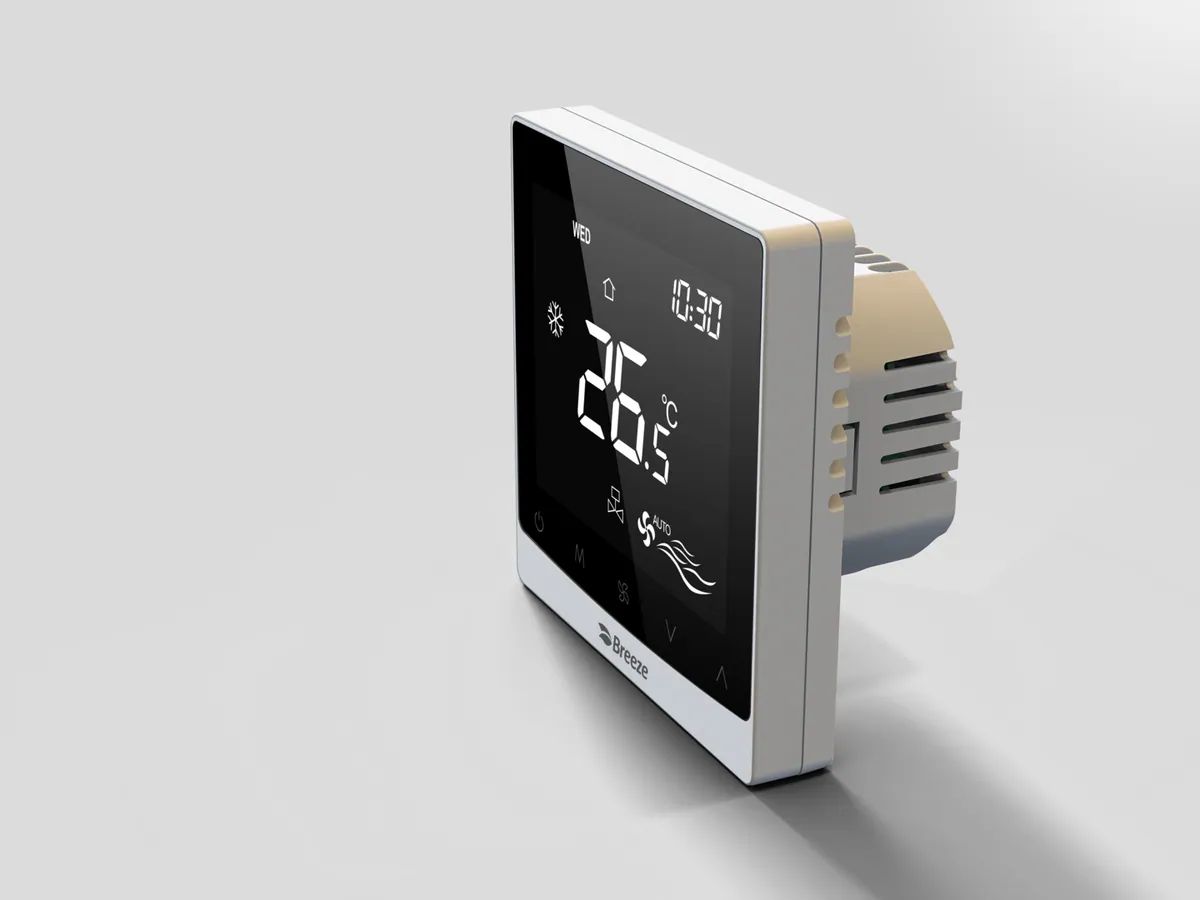
If it stays cool past two minutes, go to the thermostat and check that the fan is set to AUTO rather than ON. Fan set to ON runs the blower continuously, including through every gap between heating cycles, so the house gets a steady draught of room-temperature air that feels cold on skin. This single setting accounts for a large share of the messages that arrive here in November.
If the fan is on AUTO and the air is still cool, replace the filter if it is dirty and open any closed registers. Restricted airflow makes a furnace overheat and shut its burners down on a safety limit while the blower keeps running — which produces cold air from a furnace that was working ten minutes ago.
Then stop. If the burners are lighting and going out, if the unit cycles on and off every few minutes, or if you smell gas at any point, that is a licensed technician's work. Gas and combustion faults are not a homeowner diagnostic.
Three complaints wearing one description
The complaint is nearly always phrased as "the furnace is blowing cold air," which merges three different situations that need separating.
The first is cool air at the start of a cycle that becomes warm — normal operation, misread. The second is air that never becomes warm while the blower still runs — a real fault, and the one this page is mostly about. The third is a system that produces heat for a few minutes and then shuts down repeatedly, called short cycling, which is a different failure with different causes.
Telling these apart takes a watch and one full cycle. The distinction decides whether this is a five-minute reassurance or a service call, and it is the first thing worth establishing before anything else is touched.
A field note on shoulder seasons and older housing
The messages about this cluster in two windows. The first cold snap in November, when a furnace runs for the first time in months and any fault that developed over the summer shows itself at once. And the March shoulder weeks, when a house may call for heat overnight and cooling by afternoon, and homeowners are paying closer attention to what comes out of the vents.
Older housing stock around Fredericksburg adds a wrinkle. Where a system serves an addition through a long run, the air arriving at the far register can be genuinely cooler than the air at a register near the furnace, even with everything working. That is heat loss along the duct, not a furnace fault, and insulating the run fixes what no repair will.
There is also a heat pump case that gets misread constantly. A heat pump in defrost mode blows cool air for several minutes by design, and a heat pump supplying heat at all delivers air around body temperature, which feels cool to the hand even though it is warming the house. If the outdoor unit is running in winter, you may have a heat pump rather than a furnace, and the whole question changes.
On the trade side of the question, the Fredericksburg Chamber of Commerce lists established local businesses, and its account of the organisation explains what membership does and does not certify — useful context before treating any directory listing as a recommendation. Anyone wanting to read further rather than take one page's word for it will find the Central Rappahannock Regional Library holds home maintenance references worth borrowing.
The answer in three cases
The short version for this question is that a furnace blowing cold air is either warming up normally, running its blower without the burners lit, or overheating and shutting itself down.
Warm-up takes under two minutes. Anything past that is a fault.
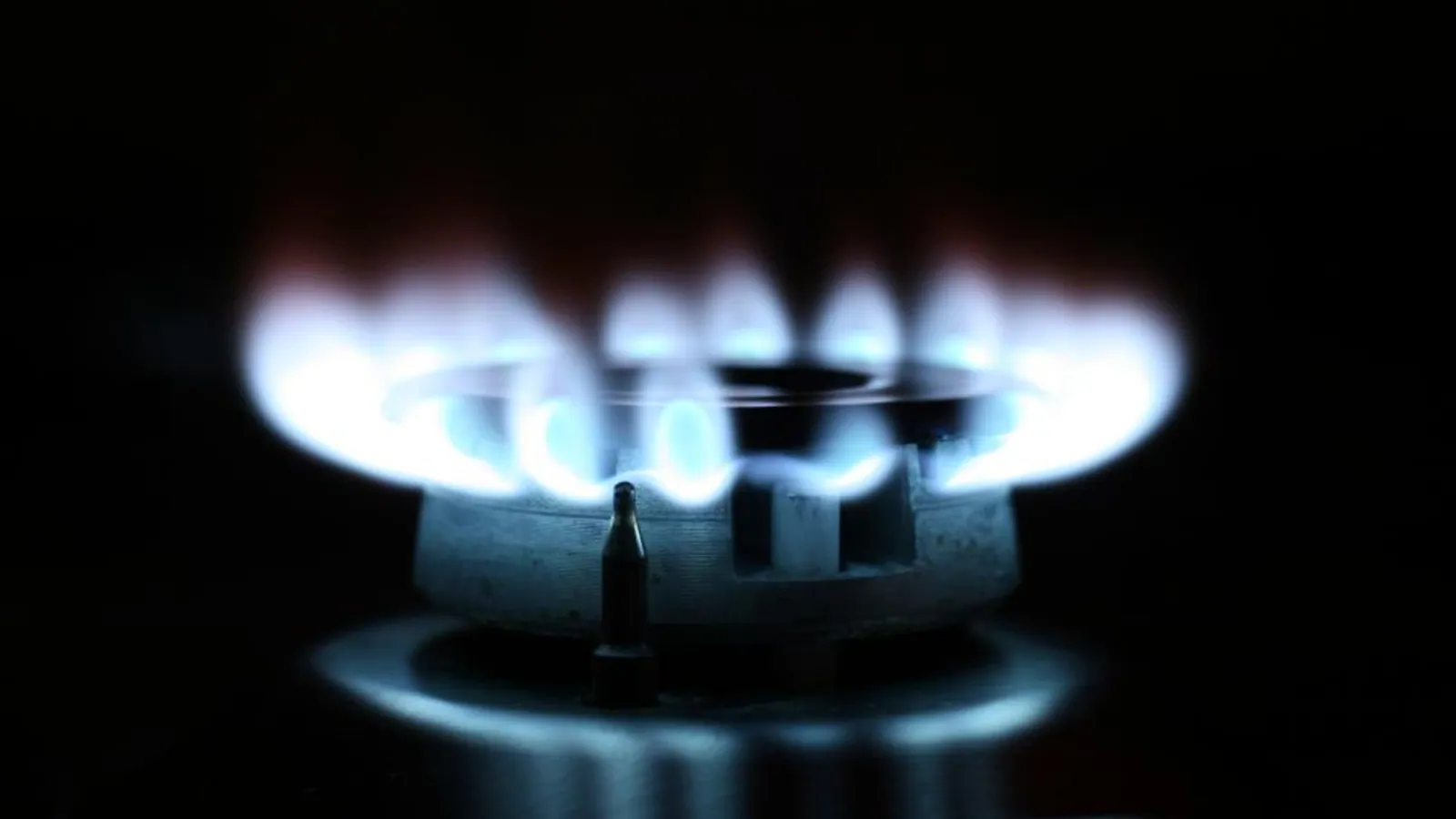
Burners not lighting comes down to gas supply, ignition, or a flame sensor that has carboned over and no longer proves flame. The flame-sensor case is the most common of the three and presents very distinctly: the burners light, run for a few seconds, then cut out, repeatedly.
Overheating comes from restricted airflow, and the fix is upstream of the furnace — filter, registers, return path — rather than in it.
The order a technician would follow
The order follows what is reversible and what is safe.
Thermostat settings come first because they cost nothing and explain a great deal. Fan on AUTO, mode on HEAT, setpoint above room temperature, and batteries with life in them clear four possibilities in under a minute.
Airflow comes second, for the same reason it does on the cooling side. A furnace is designed to have a specific volume of air carrying heat away from the exchanger. Starve it and the high-limit switch opens to protect the exchanger, the burners stop, and the blower keeps going. The symptom is cold air; the cause is a filter.
Ignition and flame proving come third, and this is where the homeowner's part ends. When the details conflict, start with observation rather than intervention: watch through the sight glass if there is one, count how long the burners stay lit, and note whether the pattern repeats. That description is worth a great deal to whoever comes out, and it often shortens the visit.
Two conditions override everything above. A gas smell means leave the house and call the utility. A cracked heat exchanger, which a technician confirms with a combustion analyser rather than a homeowner with a torch, means the furnace comes out of service that day. Neither is common, and neither is negotiable.
Related questions
Why Isn't My AC Cooling? AC Repair Answers for Spotsylvania Homes
An AC that runs but will not cool in a Spotsylvania home: the register check that splits airflow from heat transfer, and where homeowner work has to stop.
How Often Should You Replace Your HVAC Filter?
How often to change an HVAC filter, set by filter thickness, pets and run hours rather than a date on the box, plus the two failures a loaded filter causes.
When Should You Refill Your Home Heating Oil Tank?
When to order home heating oil in the Fredericksburg area: how to read the gauge properly, why a quarter tank is the trigger, and how to find your burn rate.