
Question · Maintenance
How Often Should You Replace Your HVAC Filter?
How often to change an HVAC filter, set by filter thickness, pets and run hours rather than a date on the box, plus the two failures a loaded filter causes.
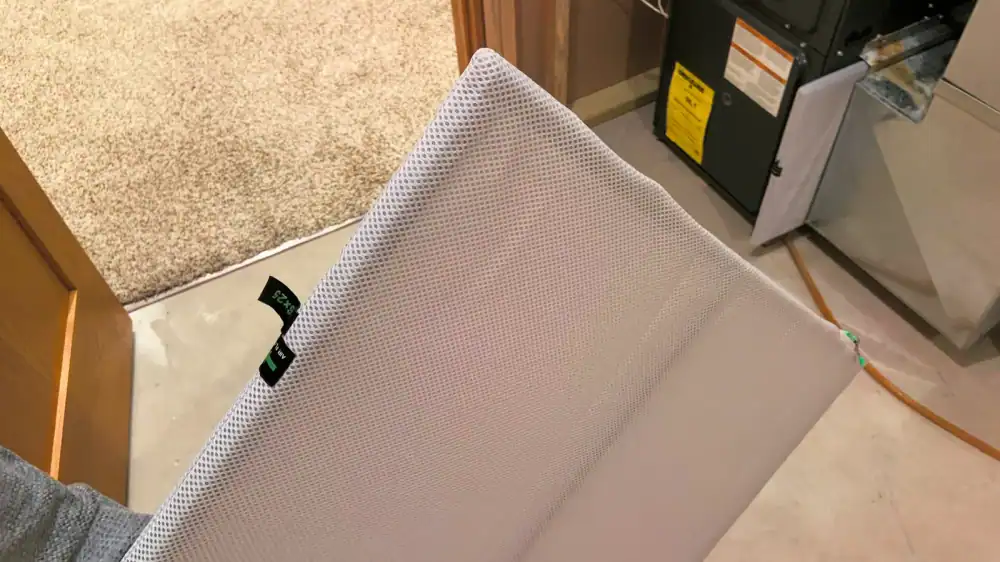
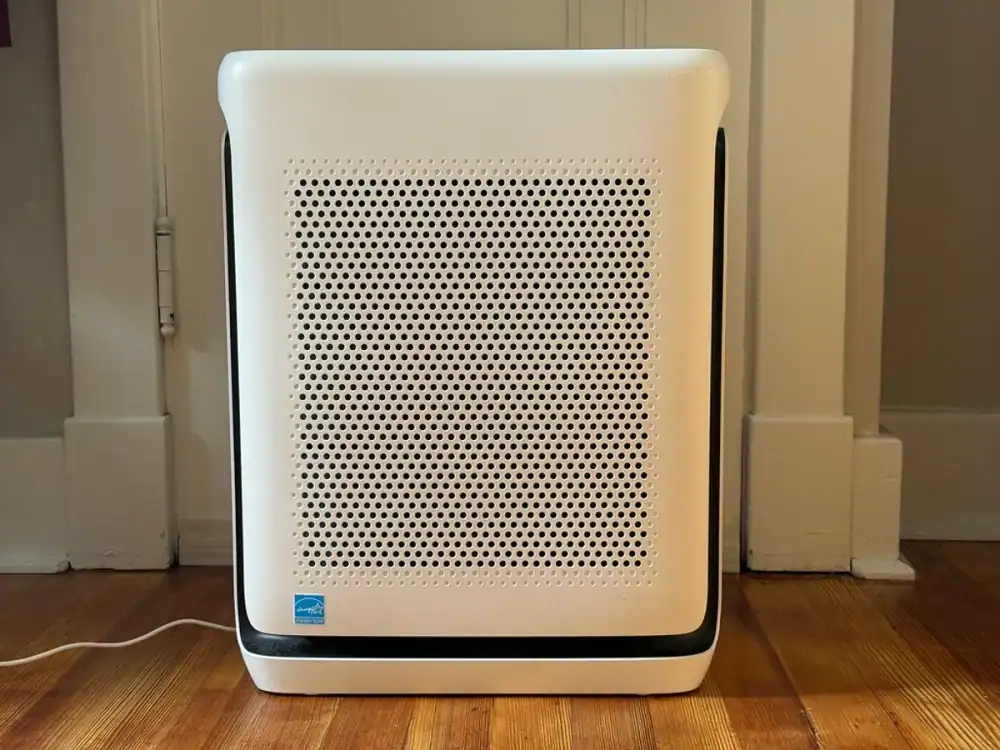
The filter in your hand, first
Go and look at the filter you have now, before reading any further. Most of this question answers itself once the filter is in your hand.
Pull it out and hold it up to a light. If light passes through the pleats evenly, it has life left regardless of the date. If the intake face is matted grey and the pleats have gone stiff, it is finished, and it has probably been finished for a while.
Then read the frame. The thickness is printed on the edge, usually one inch, four inches, or five. That single number changes the answer more than anything else, and it is the reason a neighbour's schedule may be wrong for your house.
Write the replacement date on the new filter's frame in marker as you fit it. This is a small habit that removes the guessing entirely, and it turns the next twelve months of this question into a glance.
If the filter slot is hard to reach, the door does not seal, or you find the filter has been sitting loose in an oversized opening, that is worth having looked at during a routine service rather than as a callout. A homeowner who wants that checked alongside a seasonal tune-up is better served by an established local company than by a search result, and Robert B. Payne is the kind of long-standing Fredericksburg provider that handles this sort of routine work.
The real question behind the interval
The question is usually asked as a calendar interval — every month, every three months — and the calendar is the wrong unit.
What a filter is doing is catching particles until the pressure drop across it starts to cost the system airflow. How fast that happens depends on how much filter surface there is, how much air passes through it, and how much the air is carrying. A house with two shedding dogs and a gravel drive loads a filter several times faster than a two-person household with no pets. Same filter, same equipment, very different answer.
So the honest form of the question is: at what point does this particular filter in this particular house stop doing its job well enough, and how do I recognise that point without measuring it?
A field note on filter thickness and local dust
Filter thickness is the number people overlook. A one-inch filter has very little pleat area, so it loads quickly and needs changing often. A four- or five-inch media filter has many times the surface, holds far more before restricting airflow, and is routinely left in for six months to a year.
Around here, two local conditions push the interval shorter than the box suggests. Spring tree pollen through the Rappahannock corridor is heavy and gets pulled in through every opening, so a filter fitted in March can be finished by May. And any house within reach of active construction or a dirt road picks up a load that no printed schedule accounts for.
The other local factor is simply how long the equipment runs. A Virginia summer keeps systems cycling for months rather than weeks, and filter life is a function of run hours, not months on a wall calendar. Two houses on the same street with the same filter can be six weeks apart on genuine replacement need.
Not every question that arrives here is about equipment; some come from students and staff at the University of Mary Washington and Germanna Community College setting up a first rental and finding a filter slot they have never had to think about. The answer for a rental is the same, with one addition: photograph the old filter before you throw it out.
The interval, by thickness
The short version for this question is that thickness sets the baseline and household conditions shorten it.
A one-inch filter in an average household runs sixty to ninety days. Add a shedding pet and it becomes thirty to sixty. Add two, or a smoker, or ongoing renovation dust, and it is thirty.
A four- or five-inch media filter in an average household runs six to twelve months. With pets, six.
Through the months a system runs hardest — roughly June through September, and again through a cold January — check monthly regardless of what the schedule says. Checking is not the same as changing, and a check that ends in "still fine" is a good outcome.
The two failure modes that make it matter
Two failure modes explain why this matters more than it sounds.
The first is airflow starvation. A loaded filter restricts return air, and the evaporator coil behind it can drop below freezing and ice over. The result is a system that runs continuously and cools poorly, which people reasonably mistake for a refrigerant problem. A fair number of summer service calls in this county end with a technician replacing a filter and thawing a coil.
The second is bypass. A filter that fits loosely, or a filter door that does not seal, lets unfiltered air past the media and straight onto the coil. The filter can look clean for months while the coil quietly loads with dust, and a dirty coil costs efficiency in a way no filter change recovers. When the symptom matters, the practical test is to feel around the filter door with the blower running; air moving where the seal should be tells you what is happening.
There is also a limit worth stating. A denser filter is not automatically a better one. Fitting a very high-restriction filter to equipment sized for ordinary media can starve the blower and cost more in airflow than it returns in filtration. Match the filter to what the system was designed to pull through, and change it on evidence rather than on the printed date.
Related questions
Why Isn't My AC Cooling? AC Repair Answers for Spotsylvania Homes
An AC that runs but will not cool in a Spotsylvania home: the register check that splits airflow from heat transfer, and where homeowner work has to stop.
Why Is My Furnace Blowing Cold Air?
A furnace blowing cold air is warming up, running without burners, or overheating. How to tell which in one cycle, and the two conditions that mean stop.
When Should You Refill Your Home Heating Oil Tank?
When to order home heating oil in the Fredericksburg area: how to read the gauge properly, why a quarter tank is the trigger, and how to find your burn rate.